Flak and flack are often confused, but they are not the same.
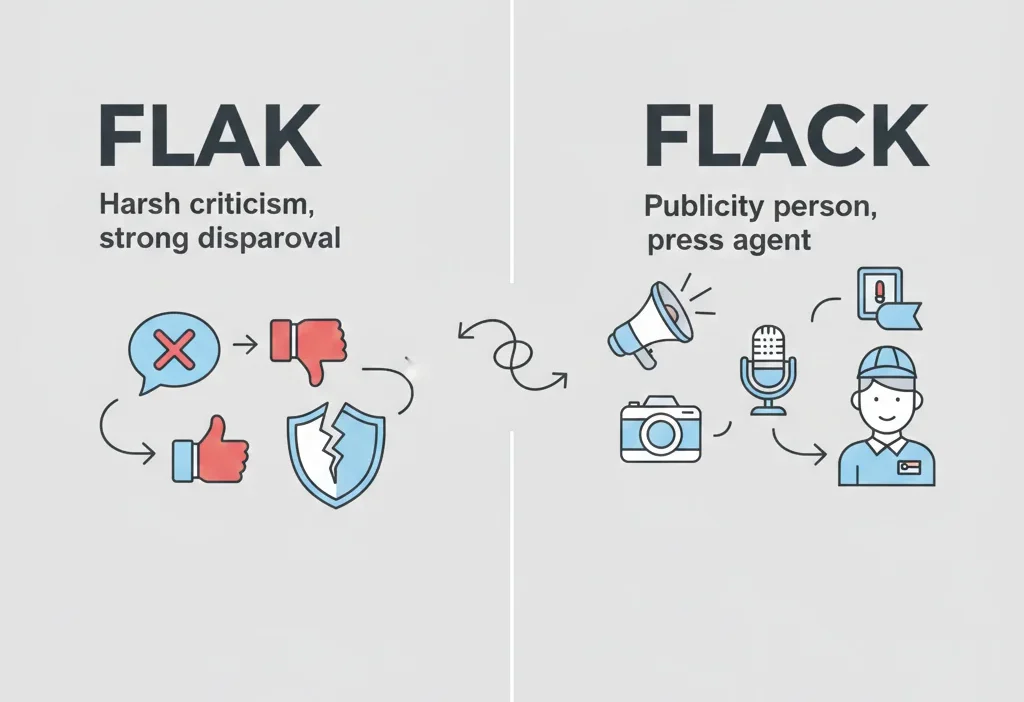
- Flak means strong criticism or negative reaction.
Example: The CEO caught flak for the decision. - Flack originally means a press agent or publicity worker.
Example: He works as a Hollywood flack.
👉 In modern informal English, many people use flack incorrectly when they mean flak, but flak is the correct word for criticism.
People often search for flak vs flack because both words sound identical, appear in similar situations, and cause real confusion in writing. You may see headlines like “The minister caught a lot of flak” or emails saying “Don’t give me flack,” and wonder which spelling is correct. This confusion matters because one spelling has a military origin, while the other is tied to criticism and public pressure. Using the wrong form can weaken professional writing, SEO content, or formal communication.
This guide clears that confusion once and for all. You’ll get a quick answer, deeper explanations, real-life examples, and usage advice for American, British, and global English. By the end, you’ll know exactly what flak means, what flack means, when people mix them up, and which word you should confidently use in 2026.
The Origin of Flak vs Flack
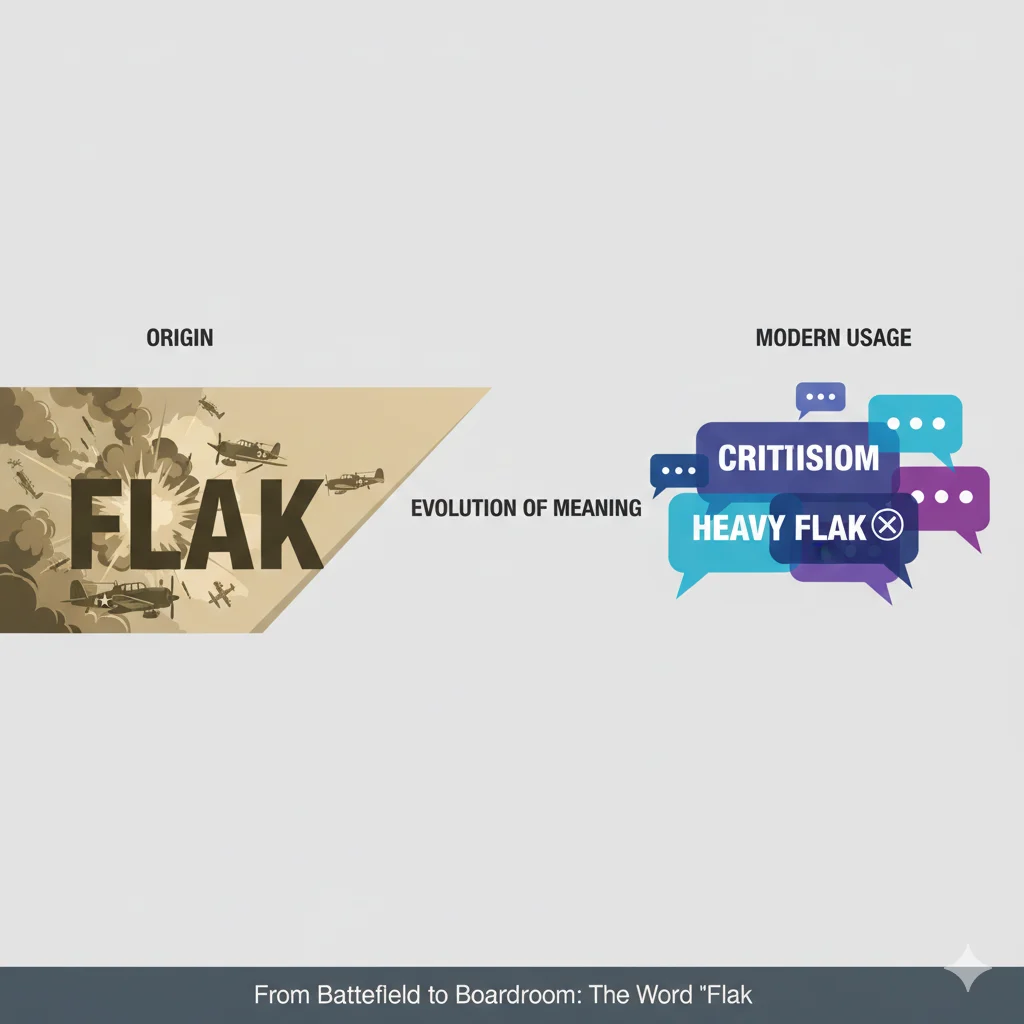
The word flak comes from World War II. It is short for the German word Flugabwehrkanone, meaning anti-aircraft gun. Pilots talked about flying through heavy flak when facing enemy fire. Over time, this idea of being attacked turned into a metaphor. By the 1960s, catching flak meant receiving verbal attacks or harsh criticism.
Flack, on the other hand, has a completely different origin. It comes from the name of Gene Flack, a famous Hollywood press agent in the early 1900s. His name became a common noun meaning a publicity agent. That meaning still exists today, though it is less common in daily speech.
Because both words sound the same, spelling differences started to blur, especially in informal writing.
British English vs American English Spelling
Both British English and American English follow the same rule for flak vs flack, but usage habits differ.
| Aspect | American English | British English |
|---|---|---|
| Criticism meaning | Flak (correct) | Flak (correct) |
| Press agent meaning | Flack | Flack |
| Informal misuse | “Give me flack” | “Give me flack” |
| Preferred formal usage | Flak | Flak |
In news, academic, and professional writing, flak is always preferred when you mean criticism.
Exiting vs Exciting 😬🎢: The Common Error Even Pros Make
Which Spelling Should You Use?
Choose based on your audience and context:
- US audience: Use flak for criticism. Editors expect it.
- UK/Commonwealth audience: Still use flak for criticism.
- Global or SEO content: Always use flak for clarity and authority.
- Media or PR context: Use flack only when referring to a press agent.
If you write “give me flack” in casual speech, people will understand you. In professional writing, however, give me flak is the correct choice.
Common Mistakes with Flak vs Flack
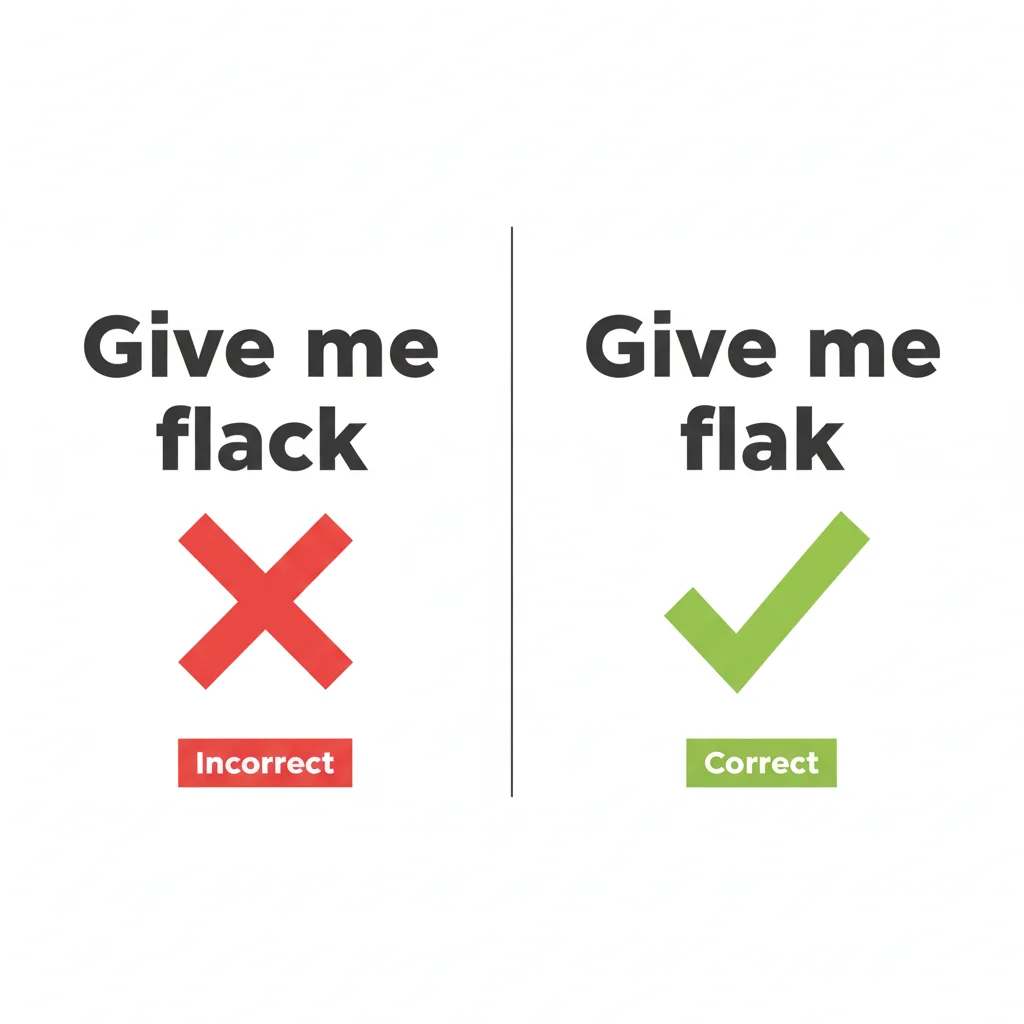
Many writers repeat the same errors:
- ❌ The policy received a lot of flack.
✅ The policy received a lot of flak. - ❌ She caught flack online.
✅ She caught flak online. - ❌ He works as a flak for the studio.
✅ He works as a flack for the studio.
Remember:
- Flak = criticism
- Flack = publicist
Flak vs Flack in Everyday Examples
Emails
- “The team is getting flak from customers.”
- “Please don’t give me flak for the delay.”
News
- “The actor faced public flak after the interview.”
- “Political leaders are catching flak over inflation.”
Social Media
- “Posting this will get you a lot of flak.”
- “Why am I always catching flak here?”
Formal Writing
- “The proposal attracted significant flak from experts.”
Flak vs Flack – Google Trends & Usage Data
Search data shows flak is far more common worldwide. Users in the US, UK, Canada, Australia, and India mostly search catch flak meaning or flak meaning slang. Flack appears more in entertainment and media-related searches, especially connected to public relations.
In SEO and content writing, flak dominates because users associate it with criticism, backlash, and controversy.
tubbing vs tubing 🔍 The Truth Google Won’t Clearly Tell
Flak vs Flack Comparison Table
| Feature | Flak | Flack |
|---|---|---|
| Meaning | Criticism, backlash | Press agent |
| Tone | Negative | Neutral |
| Common phrase | Catch flak | Hollywood flack |
| Slang usage | Very common | Rare |
| Correct for criticism | ✅ Yes | ❌ No |
People Also Ask
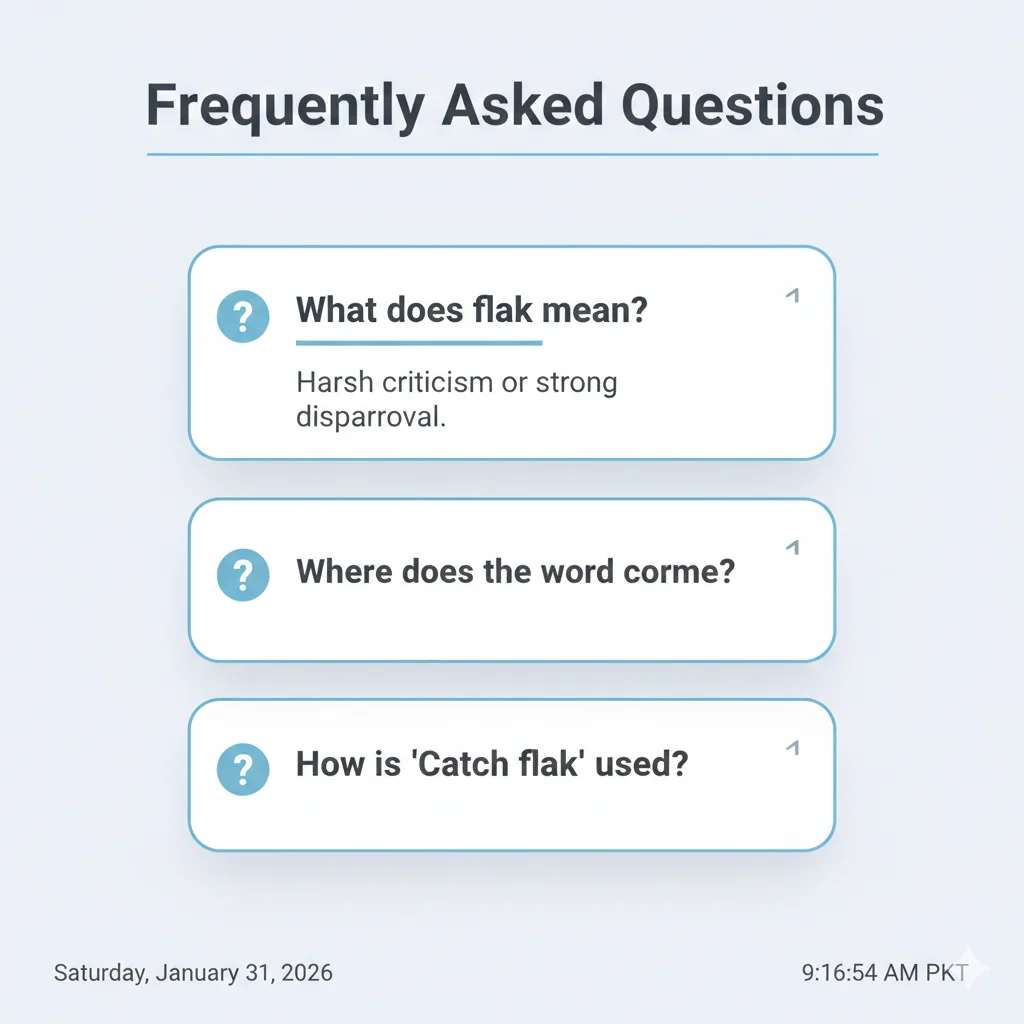
What does “flak” mean?
Flak means strong criticism, blame, or negative reaction from others.
What does “caught a lot of flak” mean?
It means someone received heavy criticism or public backlash.
Is “flack” a negative term?
Not originally. Flack refers to a press agent, though it can sound informal.
What is giving flack?
It means criticizing someone, though giving flak is the correct form.
Flak vs flack meaning – which is right?
Use flak for criticism. Use flack only for a publicist.
What does catch flak mean?
To receive criticism, blame, or negative comments.
What is a flak jacket?
A flak jacket is protective military armor, linked to flak’s war origin.
Conclusion
Understanding flak vs flack helps you write clearly, professionally, and with confidence. Although both words sound the same, their meanings are different and their origins are far apart. Flak comes from wartime language and now clearly means criticism, backlash, or public disapproval. This is the word you should use in news writing, blogs, emails, and SEO content. Flack, by contrast, refers to a press agent and has a narrow, industry-specific meaning. The confusion exists because informal speech ignores spelling, but good writing does not. If you want your content to sound credible and polished in 2026, choose flak whenever you mean criticism. Save flack for media professionals only. Mastering this small difference improves clarity, reader trust, and search performance instantly.

Sarah Waters is a passionate numerology writer dedicated to helping readers understand the deeper meaning behind numbers and spiritual patterns. She combines intuition and research to guide people toward clarity, alignment, and inner growth.