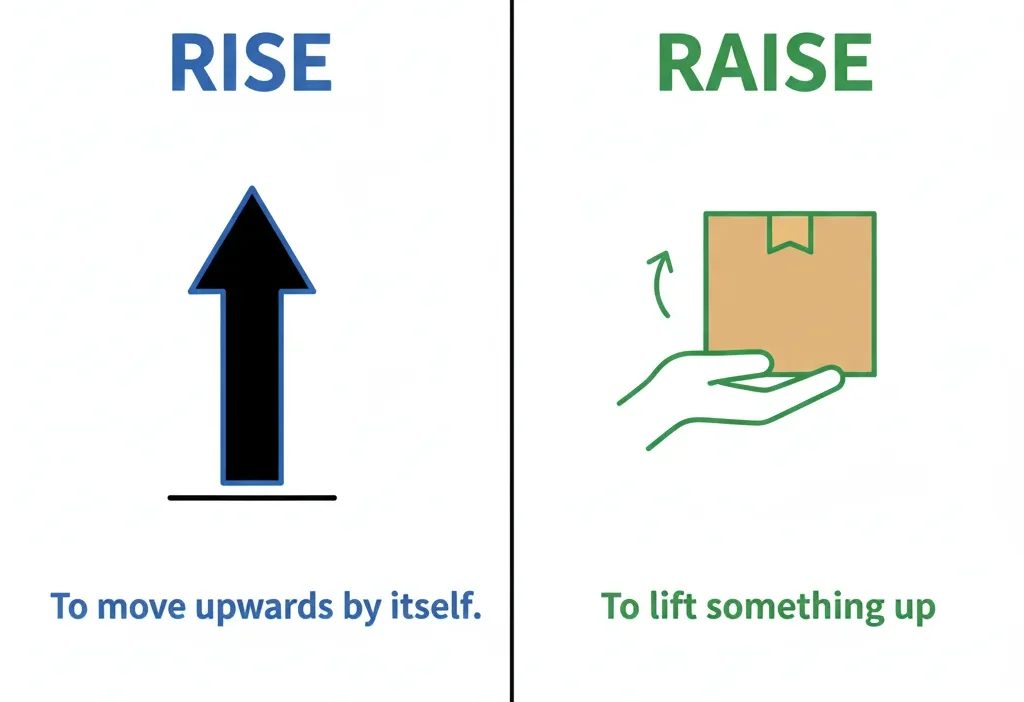
Raise is a transitive verb. It needs an object.
Rise is an intransitive verb. It does not need an object.
Examples:
- She raised her hand.
- Her hand rose.
- The company will raise salaries.
- Salaries will rise next year.
Quick rule to remember:
If someone or something causes the action → use raise.
If something goes up by itself → use rise.
English learners and even native speakers often search for raise vs rise because these two verbs look similar but work very differently. You may have seen sentences like “Prices will raise” or “Please rise your hand” and felt unsure if they were correct. That confusion is exactly why people keep searching this keyword.
The problem is simple: raise and rise both talk about something going up, but they do not follow the same grammar rules. One verb needs an object, and the other does not. When this difference is not clear, mistakes happen in emails, exams, news writing, and even professional documents.
This article solves that confusion step by step. You will get a quick answer, clear grammar rules, everyday examples, tables, FAQs, and professional advice. By the end, you will know exactly when to use raise and when to use rise, without guessing. Whether you are a student, blogger, job seeker, or ESL learner, this guide will help you use raise vs rise correctly and confidently.
The Origin of Raise vs Rise
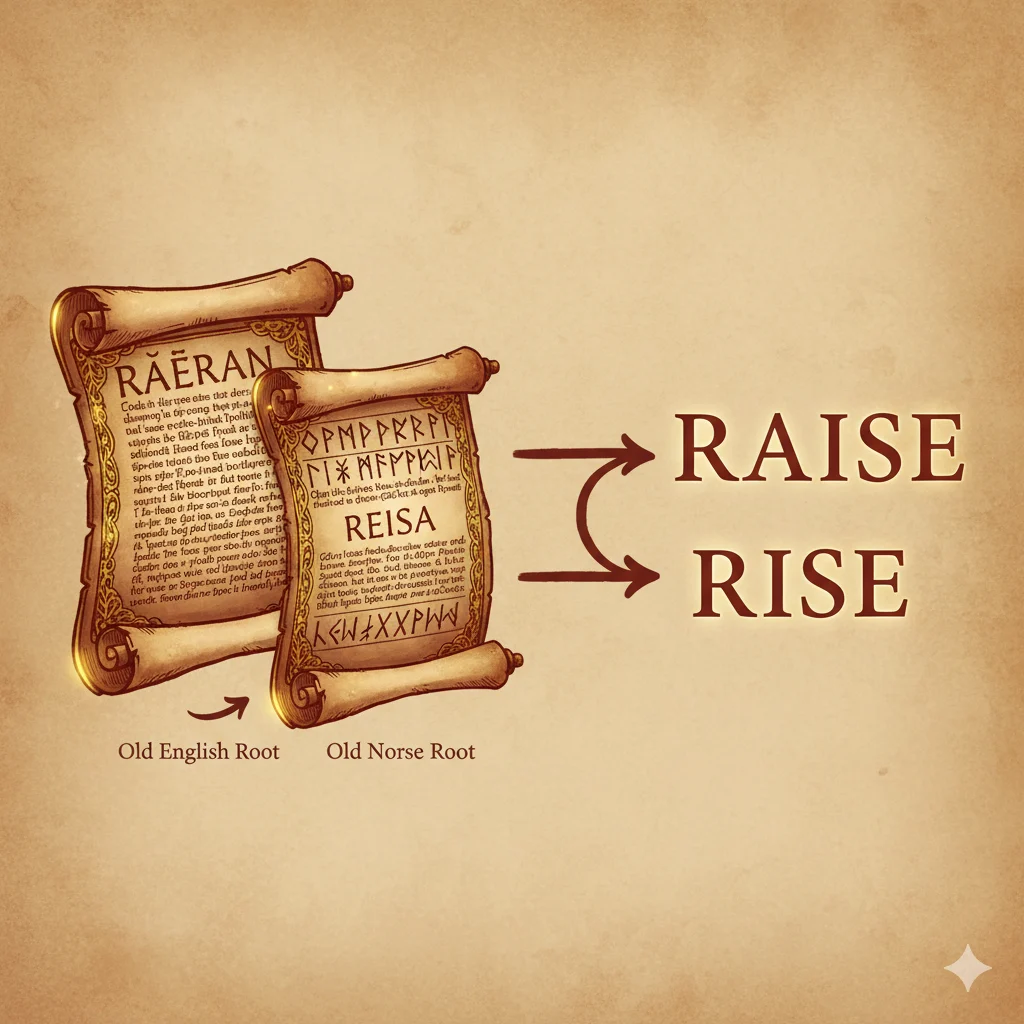
Both words come from Old English, but they developed differently over time.
Rise comes from the Old English word rīsan, meaning to get up or stand. It was always used to describe an action that happens on its own.
Raise came later, from Old Norse reisa, meaning to lift up. Over time, English used raise for actions where someone lifts or increases something else.
This history explains why the grammar is different today. One verb acts alone (rise), and the other acts on something (raise).
British English vs American English Spelling
There is no spelling difference between British and American English for raise and rise. However, usage patterns can vary slightly in context.
Comparison Table
| Context | American English | British English |
|---|---|---|
| Salary | raise in salary | pay rise |
| Prices | prices rise | prices rise |
| Verb use | raise taxes | raise taxes |
Note: British English often prefers “pay rise” instead of “salary raise.”
Antipasta vs Antipasto 🍴 How to Speak Italian Like a Pro
Which Spelling Should You Use?
Since spelling is the same, the real choice depends on audience and grammar, not region.
- US audience:
Use salary raise, raise funds, prices rise - UK/Commonwealth:
Use pay rise, prices rise, raise taxes - Global audience:
Follow grammar rules strictly. This avoids confusion.
Professional tip:
If you are unsure, rewrite the sentence. Ask: Who is doing the action?
Common Mistakes with Raise vs Rise
Here are frequent errors and their corrections:
❌ Please rise your hand.
✅ Please raise your hand.
❌ The company will rise salaries.
✅ The company will raise salaries.
❌ We expect a price raise tomorrow.
✅ We expect a price rise tomorrow.
❌ The sun raises at 6 a.m.
✅ The sun rises at 6 a.m.
Raise vs Rise in Everyday Examples
Emails
- Management decided to raise the budget.
- Costs will rise next quarter.
News
- Interest rates may rise soon.
- The government plans to raise taxes.
Social Media
- Time to raise your voice for change!
- Temperatures are rising fast.
Formal Writing
- The board approved a salary raise.
- Employee morale continues to rise.
Raise vs Rise – Google Trends & Usage Data
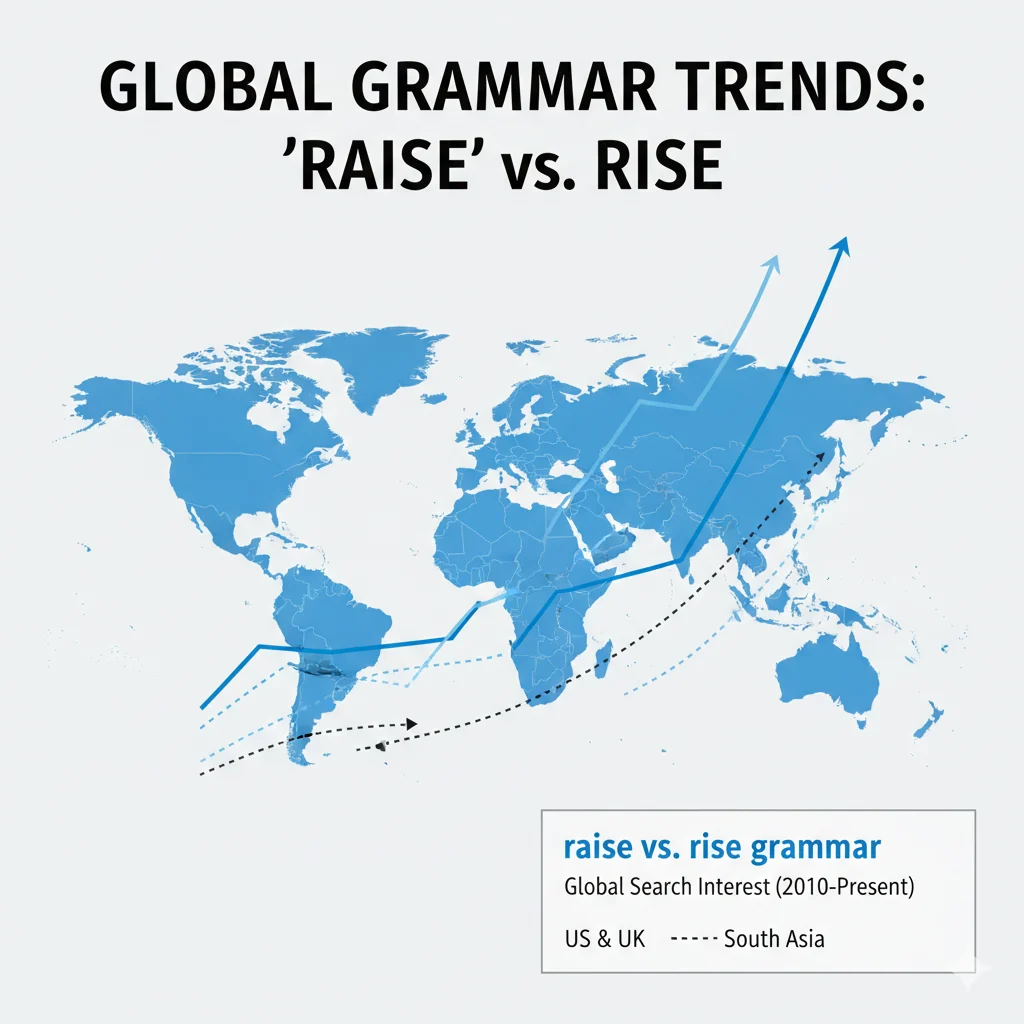
Search data shows that raise vs rise grammar is popular in:
- India
- Pakistan
- United States
- United Kingdom
Common search contexts:
- Exams and worksheets
- Salary and business writing
- News headlines
- ESL learning
People often search:
- Difference between rise and raise with examples
- Is it raise or rise in salary?
- Raise vs rise pronunciation
Wearing vs Waring ❌ One Is Wrong—Do You Know Why?
Comparison Table: Raise vs Rise
| Feature | Raise | Rise |
|---|---|---|
| Needs object | Yes | No |
| Action type | Caused | Happens naturally |
| Example | raise a hand | hand rises |
| Noun form | raise | rise |
| Past tense | raised | rose |
FAQs: Raise vs Rise
1. What is the difference between rise and raise?
Raise needs an object. Rise does not.
2. Is it raise or rise in salary?
Both are correct. Salary raise (noun) and salary will rise (verb).
3. Is it price rise or raise?
Correct form is price rise.
4. Is it raise hands or rise hands?
Correct: raise hands.
5. Raise vs rise pronunciation?
Raise /reɪz/ – Rise /raɪz/
6. Raise vs rise vs arise?
Arise means to happen, often formal.
7. Are there raise vs rise worksheets and quizzes?
Yes. They are common in grammar learning.
Conclusion
Understanding raise vs rise becomes easy once you focus on one rule: object or no object. If someone lifts, increases, or causes change, use raise. If something goes up naturally, use rise. This single idea solves most grammar mistakes.
In daily life, these verbs appear everywhere—emails, news, exams, and professional writing. Using the wrong one can make your sentence sound incorrect or unclear. That is why learning the difference matters, especially for students and non-native speakers.
Remember the examples: raise your hand, but the sun rises. Companies raise salaries, but prices rise. With practice, the choice becomes automatic.
If you want clear, confident English, mastering raise vs rise is a small step with a big impact. Use this guide as a reference whenever you feel unsure.

Harper Quinn is a dedicated numerology writer who blends spiritual insight with modern guidance. Her work helps readers uncover clarity, purpose, and inner alignment through numbers.